


Frequently Asked Questions
Q1.What types of metals are considered non-ferrous in machining?
Non-ferrous metals are materials that do not contain iron as their main component. Common examples include aluminum, brass, copper, magnesium, and titanium. These metals are widely used in precision machining because they are lightweight and resistant to rust.
Q2.Why are special cutting tools required for non-ferrous materials?
Non-ferrous metals are softer compared to many ferrous materials, which means chips can stick to the cutting edge during machining. Specially designed cutting tools with sharper geometry help reduce chip adhesion and improve machining efficiency.
Q3.What is the difference between tools for ferrous and non-ferrous machining?
Tools designed for ferrous metals often have coatings that handle high heat and hardness. In contrast, tools for non-ferrous materials focus on sharp edges, smooth surfaces, and chip evacuation to prevent material buildup on the tool.
Q4.How can machinists achieve a better surface finish on non-ferrous parts?
To achieve a smoother finish when machining aluminum or copper, machinists should use sharp cutting tools, higher spindle speeds, and proper lubrication. This combination reduces friction and helps produce a clean and accurate surface.
Q5.Are carbide tools suitable for machining non-ferrous metals?
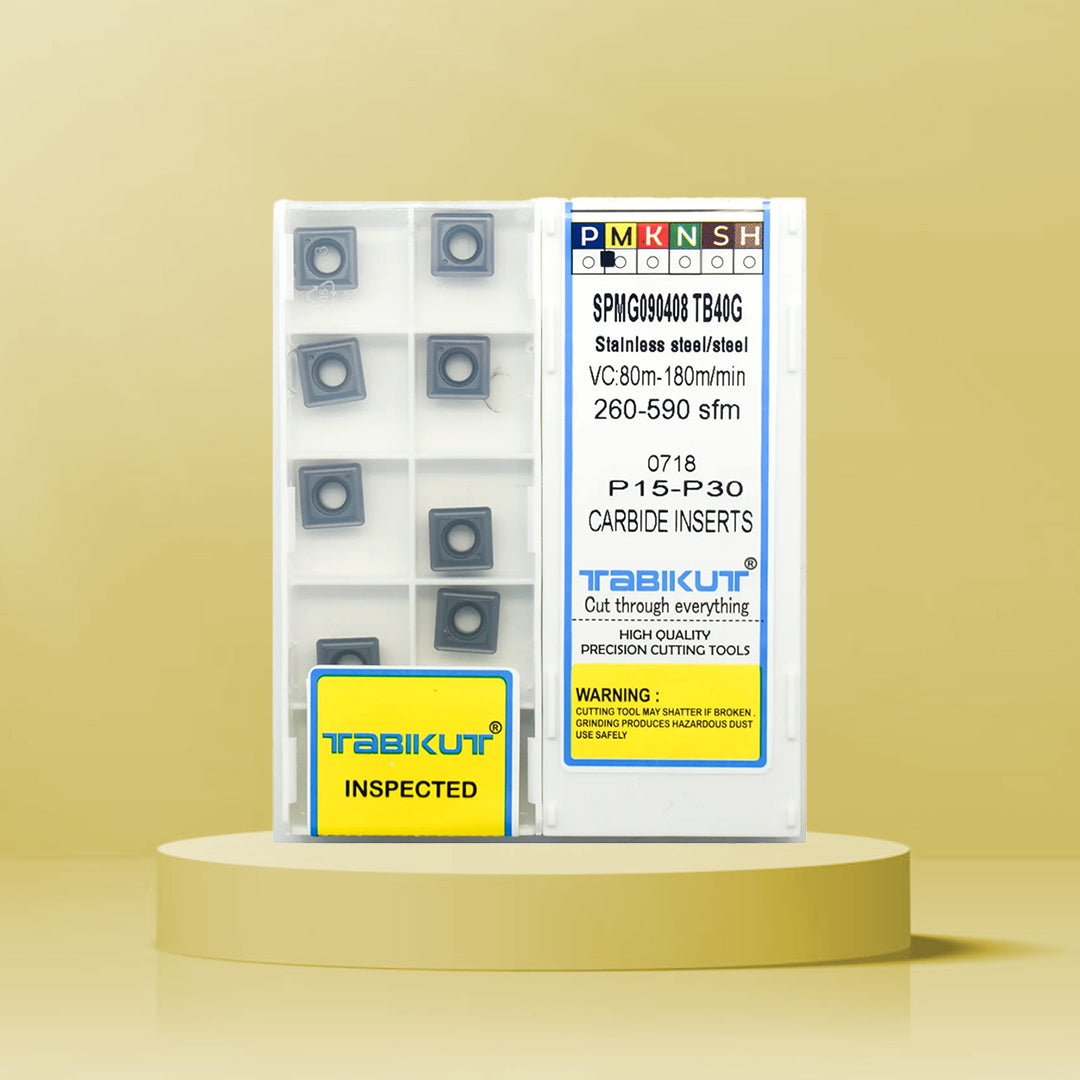
Yes, carbide cutting tools are commonly used for machining non-ferrous metals because they offer excellent wear resistance and stability at high cutting speeds. Carbide tools also help maintain precision in CNC operations.